
Report by Simona Ruggeri – EMERGENCY |
April 3, 2026
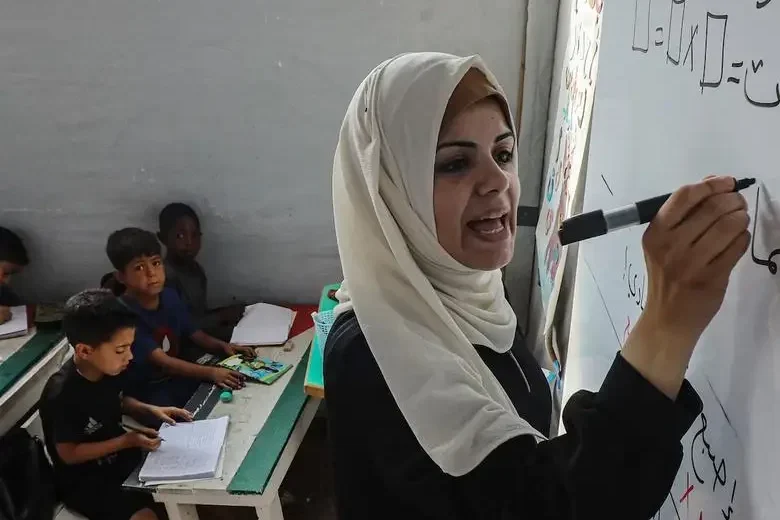
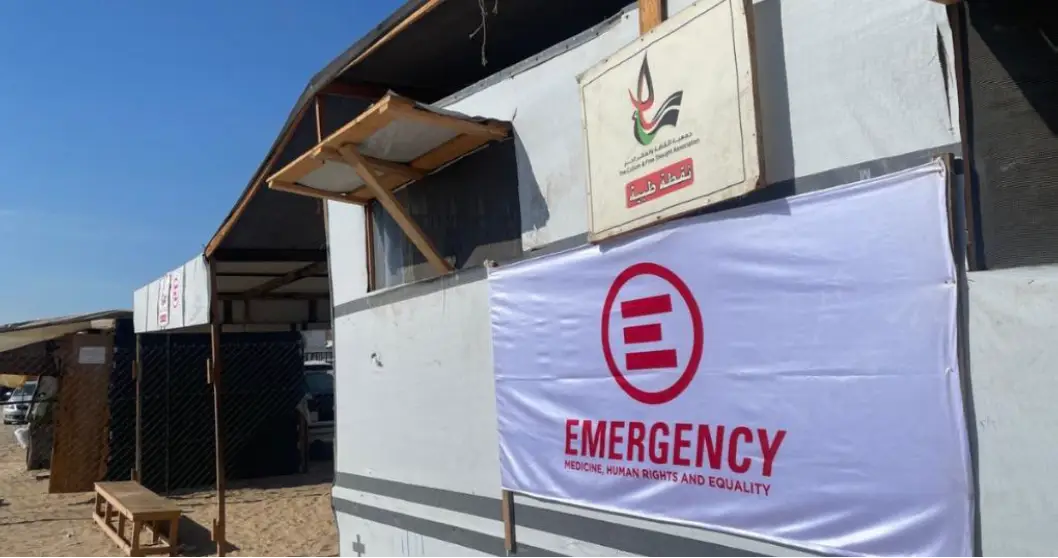
Throughout 2025, EMERGENCY continued to provide essential healthcare services to the population of the Gaza Strip through its clinic in al-Qarara and the outpatient facility in al-Mawasi.
Association Medialthea contributed to this work by ensuring the continuous presence of one international doctor and one international nurse for three months during the second half of 2025.
These professionals were involved not only in providing medical care, but also in coordinating the work of Palestinian doctors and nurses in the two facilities supported by EMERGENCY.
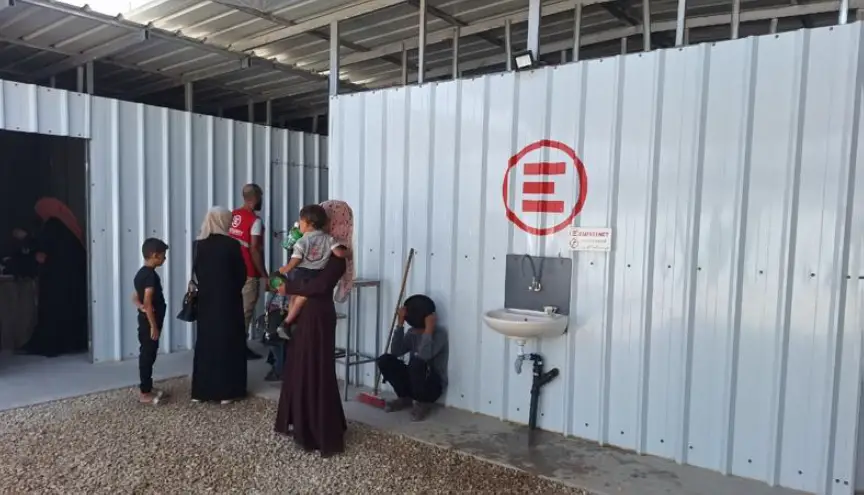
More than 33,000 people cared for
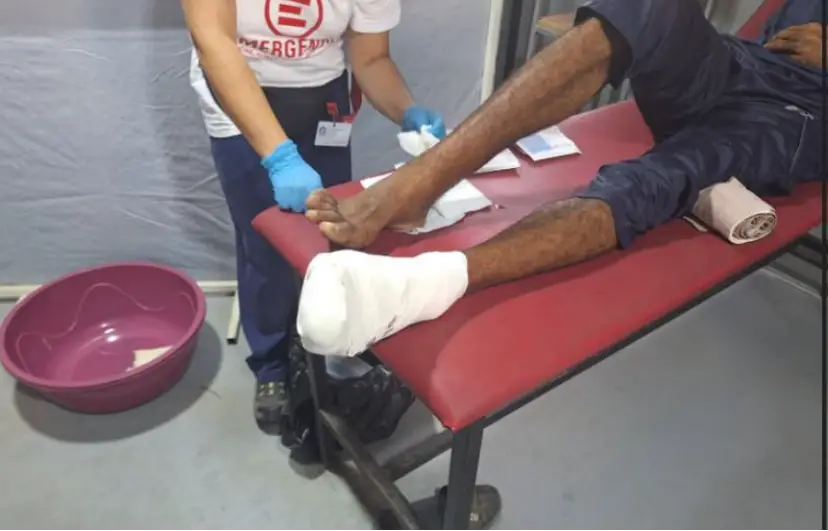
In 2025, EMERGENCY treated more than 33,000 people in Gaza, providing over 97,000 medical consultations. Almost half of the patients were children and adolescents under the age of 18.
Women also represented a significant proportion of those assisted. More than 5,000 gynaecological and obstetric consultations were provided, including prenatal and postnatal care.
At the al-Qarara clinic, EMERGENCY treated over 600 cases of malnutrition, 71% of them involving children under two years old.
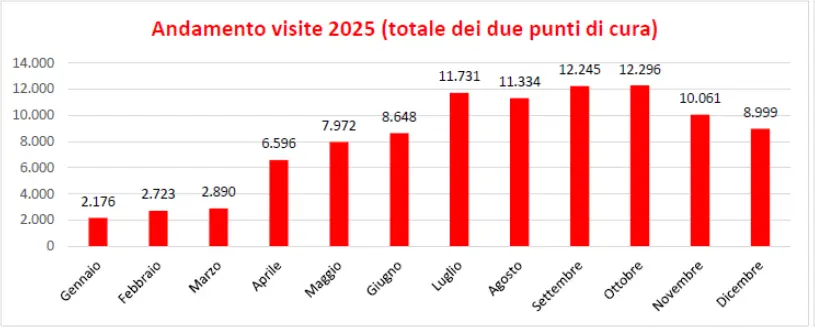
Continuing care in extremely difficult conditions
The healthcare needs remain enormous. EMERGENCY continues to operate in Gaza through its clinic in al-Qarara and by supporting the outpatient clinic run in collaboration with the Palestinian organisation CFTA in al-Mawasi.
The medical teams work in a context marked by shortages of medicines and essential supplies, displacement and extremely precarious living conditions.
Medialthea’s support in 2025 helped guarantee continuity in the presence of international medical staff and contributed to the care provided every day to the civilian population.
A small drawing, a powerful message
Among the images shared by EMERGENCY is a drawing made by one of the young patients after receiving treatment.
After difficult dressings, often carried out with very limited access to sedatives, children are encouraged to draw as a way to distract and reassure them. One child chose to draw the EMERGENCY clinic, together with a smiling person.